.webp)
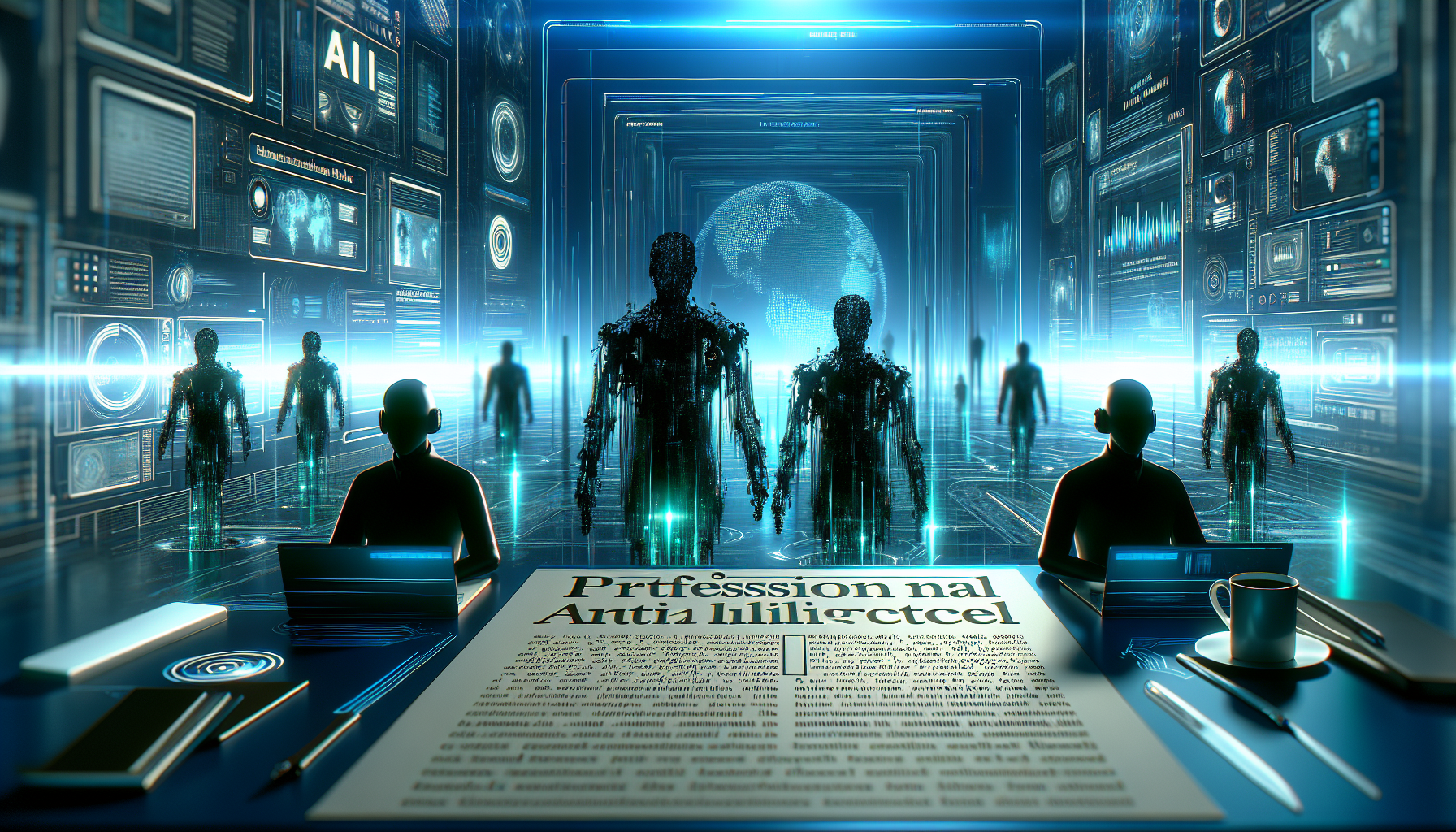
As we stand on the verge of a new technological era, the influence of artificial intelligence (AI) continues to expand across various sectors. With predictions indicating that AI will significantly reshape economies and societies by 2027, it is imperative to analyze the trends and implications that are on the horizon. This article delves into the expected advancements in AI technology, the sectors likely to be impacted, and the broader societal changes that may ensue.
Businesses worldwide are increasingly adopting AI technologies to streamline operations, enhance customer experiences, and drive innovation. According to a report by McKinsey, the use of AI in organizations is projected to increase by 50% by 2025, indicating that companies are recognizing the strategic advantages that AI can provide.
One of the primary drivers for AI adoption is the quest for operational efficiency. Companies are leveraging AI algorithms to analyze large datasets, which allows them to make data-driven decisions more swiftly than ever before. For example, AI-powered analytics tools can predict consumer behavior, optimize supply chains, and improve resource allocation.
Furthermore, AI is revolutionizing customer engagement through personalized marketing strategies. Utilizing machine learning algorithms, businesses can analyze customer preferences and tailor their offerings accordingly. This level of personalization not only increases customer satisfaction but also fosters loyalty, ultimately driving revenue growth.
The healthcare sector is poised for significant transformation due to AI technologies. By 2027, AI is expected to redefine patient care and operational workflows within healthcare institutions.
AI algorithms are increasingly being utilized for diagnostic purposes, allowing for quicker and more accurate identification of diseases. For instance, AI systems can analyze medical imaging with remarkable precision, enabling healthcare professionals to detect conditions such as cancer at much earlier stages than traditional methods.
Moreover, AI can automate routine administrative tasks, such as appointment scheduling and patient data management. This automation not only alleviates the burden on healthcare staff but also allows them to focus on providing quality care, ultimately improving patient outcomes.
The integration of AI into various industries raises questions about the future of work. While AI has the potential to enhance productivity, it also poses challenges regarding job displacement.
According to a report by the World Economic Forum, it is estimated that AI could displace over 85 million jobs by 2025. However, this same report suggests that AI will create 97 million new roles, particularly in areas that require human skills such as creativity, empathy, and strategic thinking.
As AI technologies advance, the need for reskilling the workforce becomes crucial. Companies and governments will need to invest in training programs that equip workers with the necessary skills to thrive in an AI-driven job market. This proactive approach can mitigate the negative impacts of job displacement while harnessing the benefits of technological advancement.
The implications of AI technologies are profound, affecting not only businesses but also individuals and communities worldwide. As AI continues to evolve, understanding its potential benefits and challenges becomes essential for stakeholders across all sectors. The economic impact of AI is anticipated to reach up to $15.7 trillion by 2030, highlighting its critical role in driving global growth.
Moreover, ethical considerations surrounding AI development and deployment will be paramount. Ensuring that AI systems are transparent, fair, and accountable will be crucial in maintaining public trust and fostering a responsible AI ecosystem.
As we approach 2027, several key areas will warrant close observation. The rapid evolution of AI technologies, particularly in machine learning and natural language processing, will likely lead to groundbreaking developments. Additionally, monitoring regulatory frameworks will be vital, as governments grapple with the need to balance innovation with ethical considerations.
Furthermore, the impact of AI on global labor markets will be a critical area to watch. As industries continue to adapt to AI integration, understanding the nuances of job transformation and the effectiveness of reskilling initiatives will be vital for ensuring a smooth transition.
From breaking news to thought-provoking opinion pieces, our newsletter keeps you informed.


From breaking news to thought-provoking opinion pieces, our newsletter keeps you informed and engaged with what matters most. Subscribe today and join our community of readers staying ahead of the curve.
.webp)
From breaking news to thought-provoking opinion pieces, our newsletter keeps you informed & engaged.